
What to Do in the First 24 Hours After Storm Damage to Your Roof
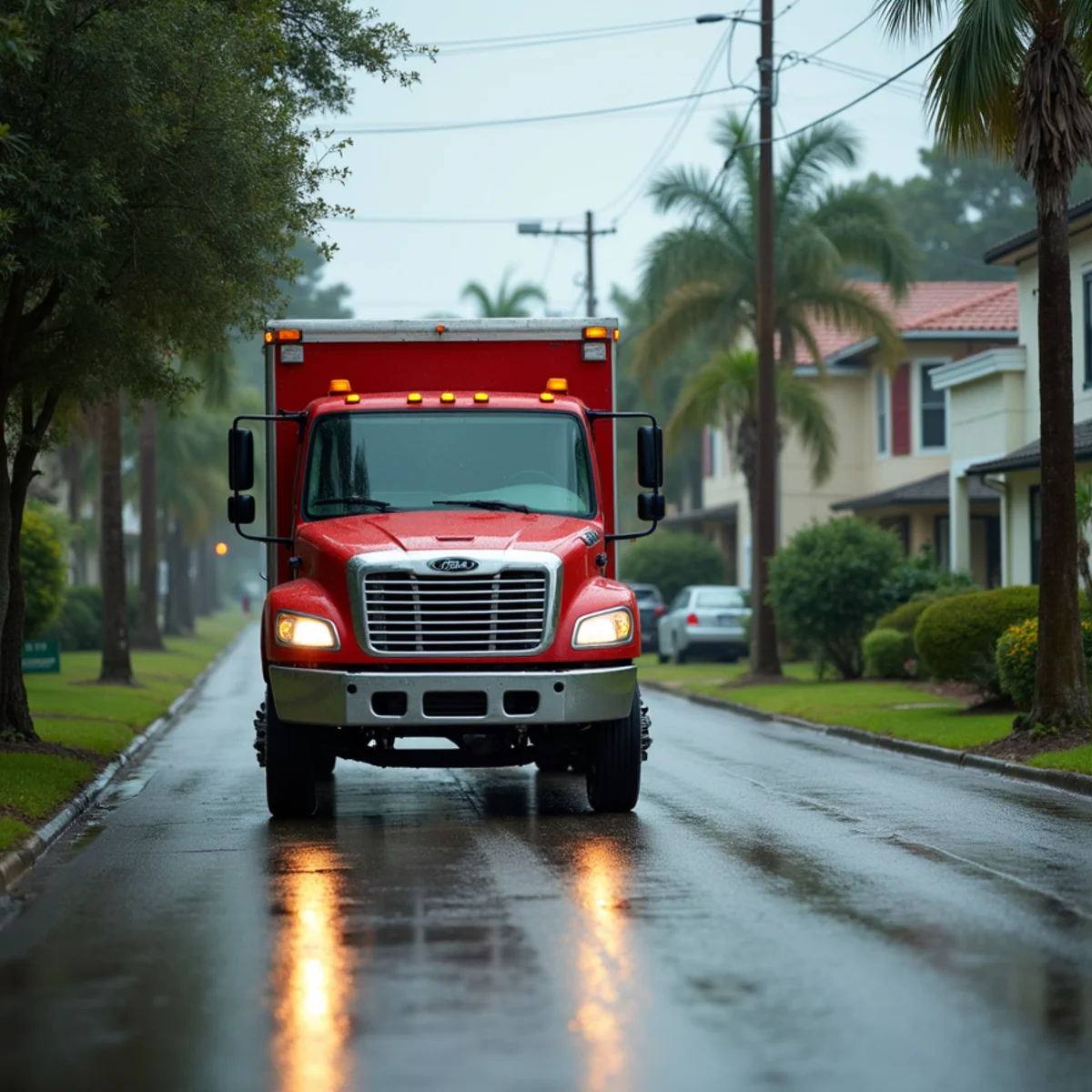
In the first 24 hours after roof storm damage, prioritize personal safety, safely contain indoor leaks with buckets and punctured ceiling reliefs, photograph all interior and exterior damage, call Repel Dry LLC for emergency tarping, and notify your insurance carrier to open a claim without signing away rights to storm chasers.
Key Takeaways for Florida Property Owners
- 1Never climb onto a wet, storm-damaged roof during or immediately after a tropical storm.
- 2Relieve water pressure from sagging ceiling drywall by puncturing the center with a small screwdriver.
- 3Photograph all damaged shingles, fallen trees, interior water stains, and damaged personal belongings.
- 4Contact a local Florida-licensed roofing contractor (CCC1332106) for emergency weather-tight dry-in.
- 5Keep all receipts for tarps, emergency services, and living expenses for insurance reimbursement.
Step 1: Prioritize Personal and Electrical Safety
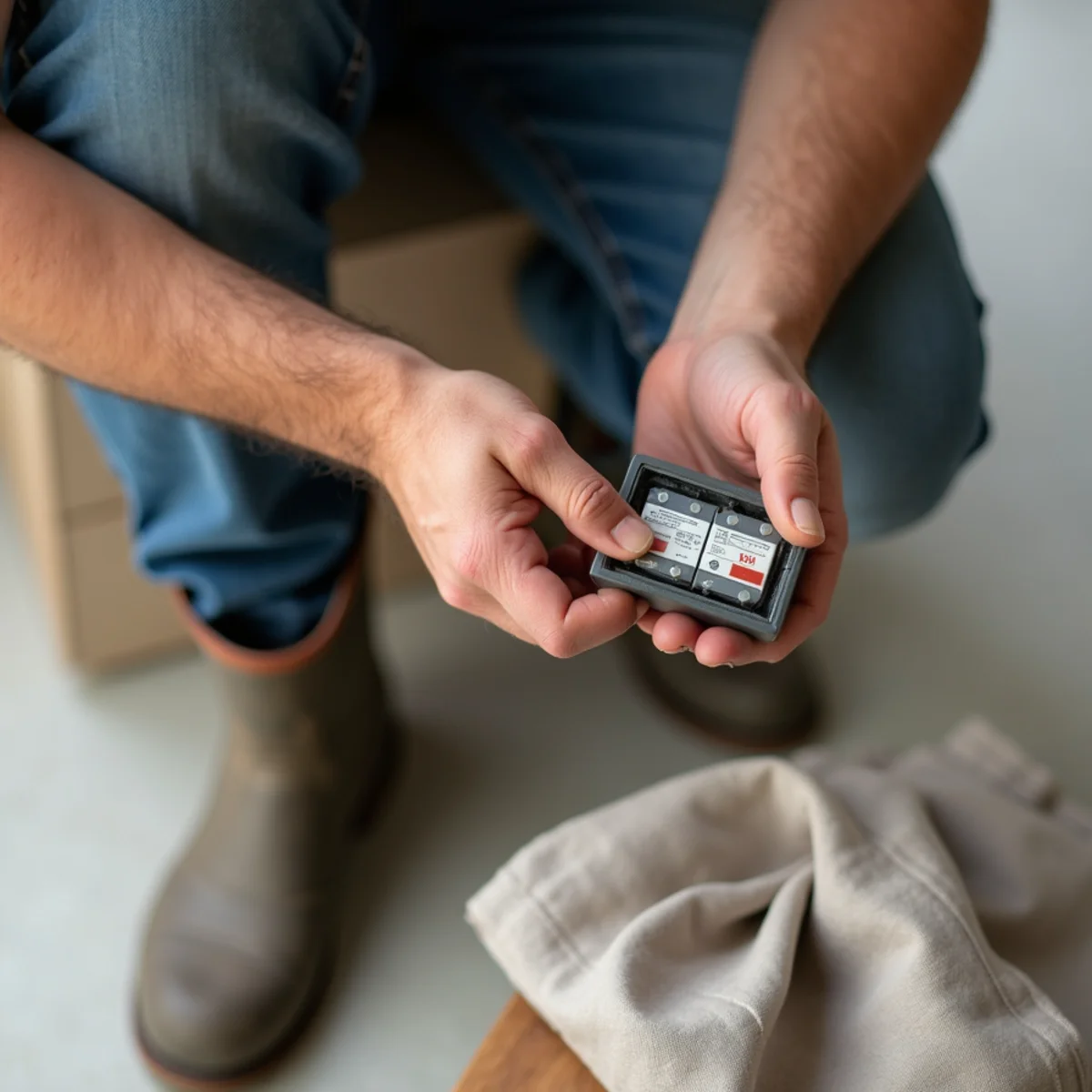
If water is leaking near electrical outlets, light fixtures, or your main service panel, shut off power to those circuits immediately at the breaker box. Never touch wet electrical panels while standing in water. Move furniture, rugs, and electronics away from active drips.
Step 2: Relieve Trapped Ceiling Water
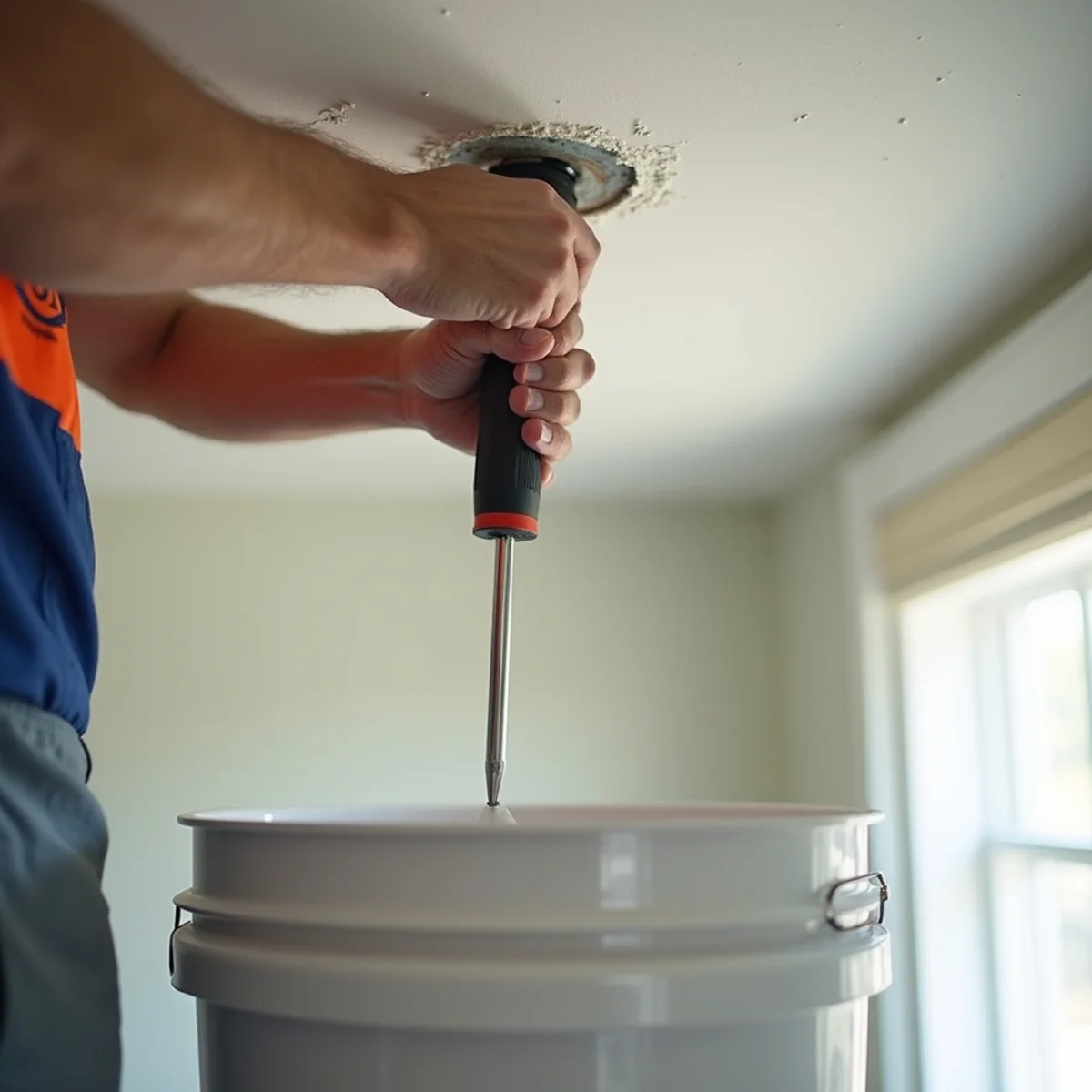
If your ceiling drywall is sagging or bubbling with trapped water, carefully place a large bucket underneath and puncture the center of the bubble with a screwdriver. Releasing the water prevents the heavy drywall ceiling from collapsing suddenly and destroying everything below.
Step 3: Document Everything Before Cleanup
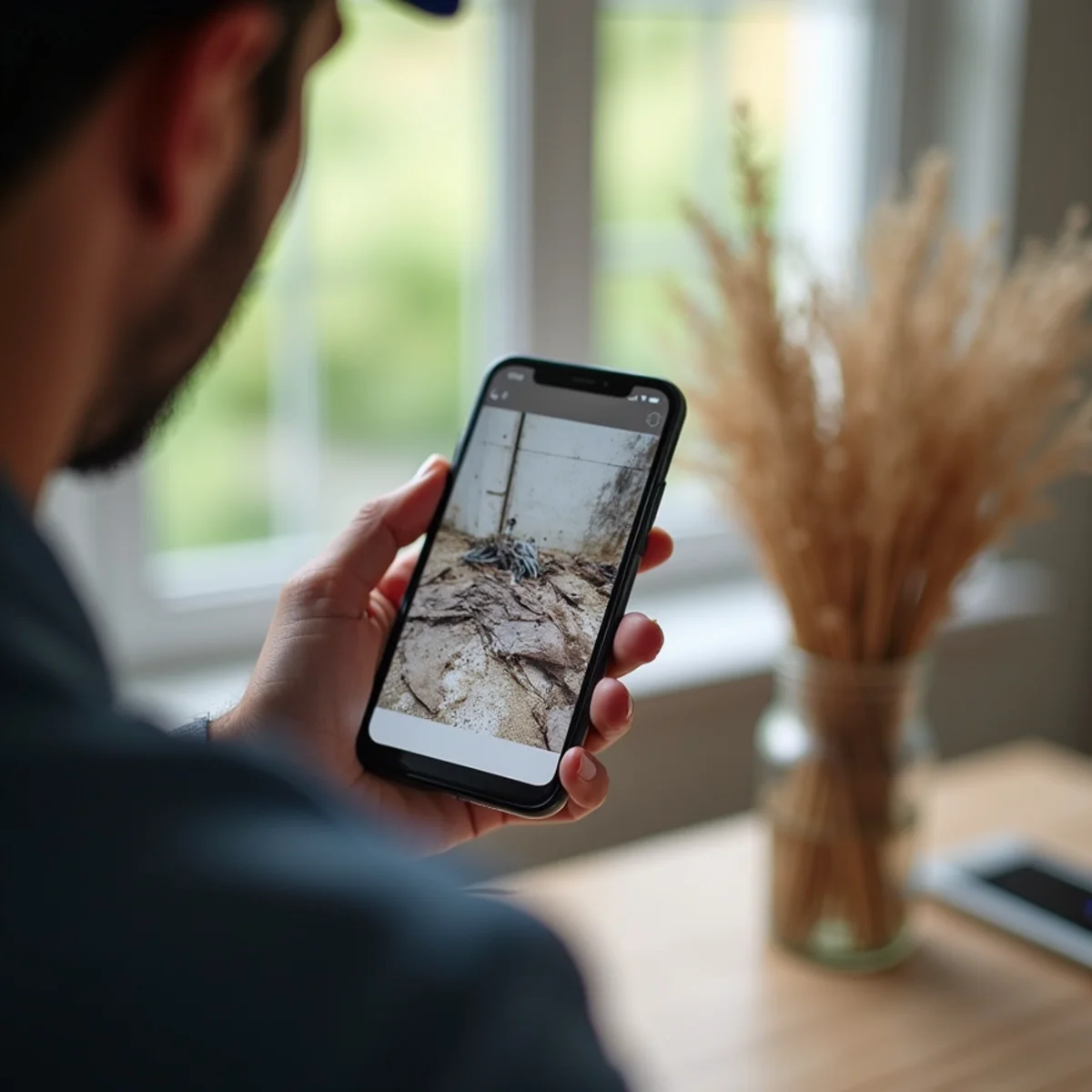
Take clear, timestamped photos and video of all interior water intrusion, damaged furniture, saturated ceilings, and exterior debris before moving anything. Keep a detailed log of the storm time and initial discovery.
Step 4: Secure Emergency Professional Roof Tarping
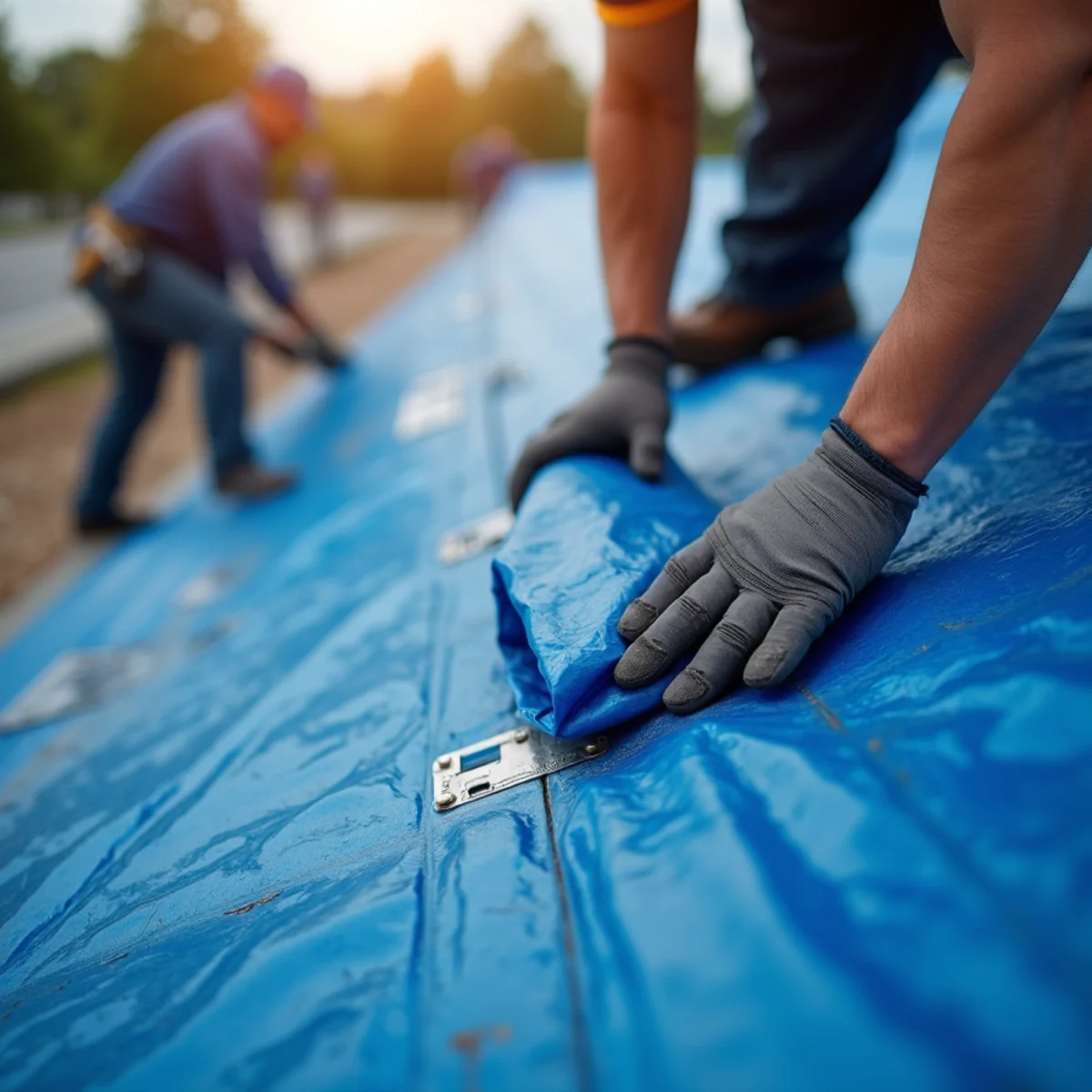
Call Repel Dry LLC at (831) 666-1600. Do not attempt to walk on a wet, storm-damaged roof. Our licensed technicians install heavy-duty poly tarps secured with 2x4 furring strips to stop water ingress immediately, fulfilling your insurance policy's mitigation requirement.
How to Properly Mitigate Indoor Water Damage Immediately
Water that drips onto carpets or hardwood floors will rapidly cause subfloor delamination and microbial growth in Florida's humid climate. Strip wet rugs, set up oscillating fans and dehumidifiers, and elevate furniture onto aluminum foil or plastic blocks to prevent wood stain bleed.
Common Mistakes Florida Property Owners Make & Professional Guidance
In our 25+ years inspecting and installing roofs across Flagler, Volusia, and St. Johns counties, we regularly witness costly errors that void warranties or lead to denied insurance claims. First, homeowners often rely on unlicensed handymen or out-of-state storm chasers who fail to pull mandatory municipal building permits or neglect Notice of Commencement (NOC) filings. Second, many attempt DIY repairs using silicone caulking or black roof tar, which traps moisture beneath shingles and accelerates decking rot. Third, property owners frequently delay filing storm claims past Florida statutory deadlines or accept lowball initial adjuster estimates without obtaining an itemized contractor quote. Always partner with a verified, Florida state-certified roofing contractor (CCC) who provides written warranties, pulls local permits, and verifies Florida Product Approval compliance on every material.
| Action Phase | Key Steps | What to Avoid | Insurance Impact |
|---|---|---|---|
| Hours 0 – 2 | Assess safety, contain indoor leaks, move valuables | Climbing on roof, touching wet electricals | Prevents secondary damage claim denial |
| Hours 2 – 6 | Photograph damage, call local roofer for tarping | Hiring out-of-state storm chasers with no license | Establishes immediate proof of loss |
| Hours 6 – 12 | Emergency dry-in / 10-mil tarp installation | Permanent repairs before insurer inspects | Fulfills your 'Duty to Mitigate' |
| Hours 12 – 24 | File claim with insurer, schedule adjuster visit | Signing Assignment of Benefits (AOB) waivers | Starts 60-day statutory claim window |
“In the chaos right after a storm, out-of-town contractors knock on doors asking homeowners to sign vague documents on iPads. Never sign any paperwork without verifying their Florida state license number (must start with CCC) and checking that they have a local physical address. Repel Dry is based right on North State St in Bunnell; we live and work in this community year-round.”
— Tim Farrell, Co-Owner — Repel Dry LLC
5 Immediate Steps for Florida Property Owners
Whether you are preparing for hurricane season or responding to suspected storm or wind damage, follow this contractor-verified checklist to protect your home and legal rights:
Photograph all four exterior elevations, gutters, fallen tree branches, displaced shingles, and interior ceiling water spots before any cleanup or emergency tarping begins.
Florida insurance policies require homeowners to take reasonable steps to prevent further damage. Install secured tarps over penetrations without nailing directly through good shingles.
Review your insurance declarations page. Hurricane deductibles are typically 2% to 5% of your home's insured dwelling limit (Coverage A), whereas regular wind/water deductibles are often lower fixed amounts.
Never sign an Assignment of Benefits (prohibited under Senate Bill 2A) or work with canvassers who lack an active Florida Certified Roofing Contractor license (verify on MyFloridaLicense.com).
Schedule an on-site physical walk with a local state-certified builder who can inspect roof decking, underlayment adhesion, valley flashings, and attic moisture patterns.
Key Florida Roofing & Insurance Statutes Every Property Owner Must Know
Florida construction and insurance regulations underwent major reforms in 2022 and 2023. Here are the core statutory requirements that govern residential and commercial roof repairs in our state:
Establishes a strict 1-year deadline from the date of a windstorm or hurricane event to give initial written notice of a property damage claim to your insurance carrier. Supplemental claims must be filed within 18 months.
If more than 25% of a roof section is damaged within a 12-month period, the entire roof section must be upgraded to comply with the current Florida Building Code, unless the existing roof was installed under the 2007 FBC or later.
Eliminated post-loss Assignment of Benefits (AOB) for residential property insurance. Homeowners remain the direct policyholders and must be issued insurance claim payments directly by their insurer.
Unlicensed contracting during a declared state of emergency is a third-degree felony in Florida. Always insist on seeing an active DBPR Certified Roofing Contractor license (CCC license) before any roof work begins.
Verified Under Florida Building Code 8th Edition (2023)
This technical guide is authored and reviewed by licensed Florida roofing and building contractors Tim Farrell and Chris Howard of Repel Dry LLC (FL Lic # CCC1332106, CBC1264358, CRC1332435). All structural recommendations comply with the Florida Building Code 8th Edition (2023), ASTM D1970 secondary water barrier requirements, and Florida Statutes governing property insurance disclosures (F.S. § 627.70132 and F.S. § 626.9744).
Summary & Next Steps for Your Roof
Navigating Florida roofing decisions requires factual guidance, strict adherence to Florida Building Code 8th Edition (2023), and an experienced local team you can hold accountable. Repel Dry LLC is headquartered at 2323 N State St in Bunnell and provides free on-site inspections throughout Flagler, Volusia, and St. Johns counties.
Related Professional Services & Areas
Need assistance with issues discussed in this guide? Explore our specialized solutions:
Related Services:
Related Local Areas: