
Metal vs. Shingle vs. Tile Roofs for Flagler County Homes
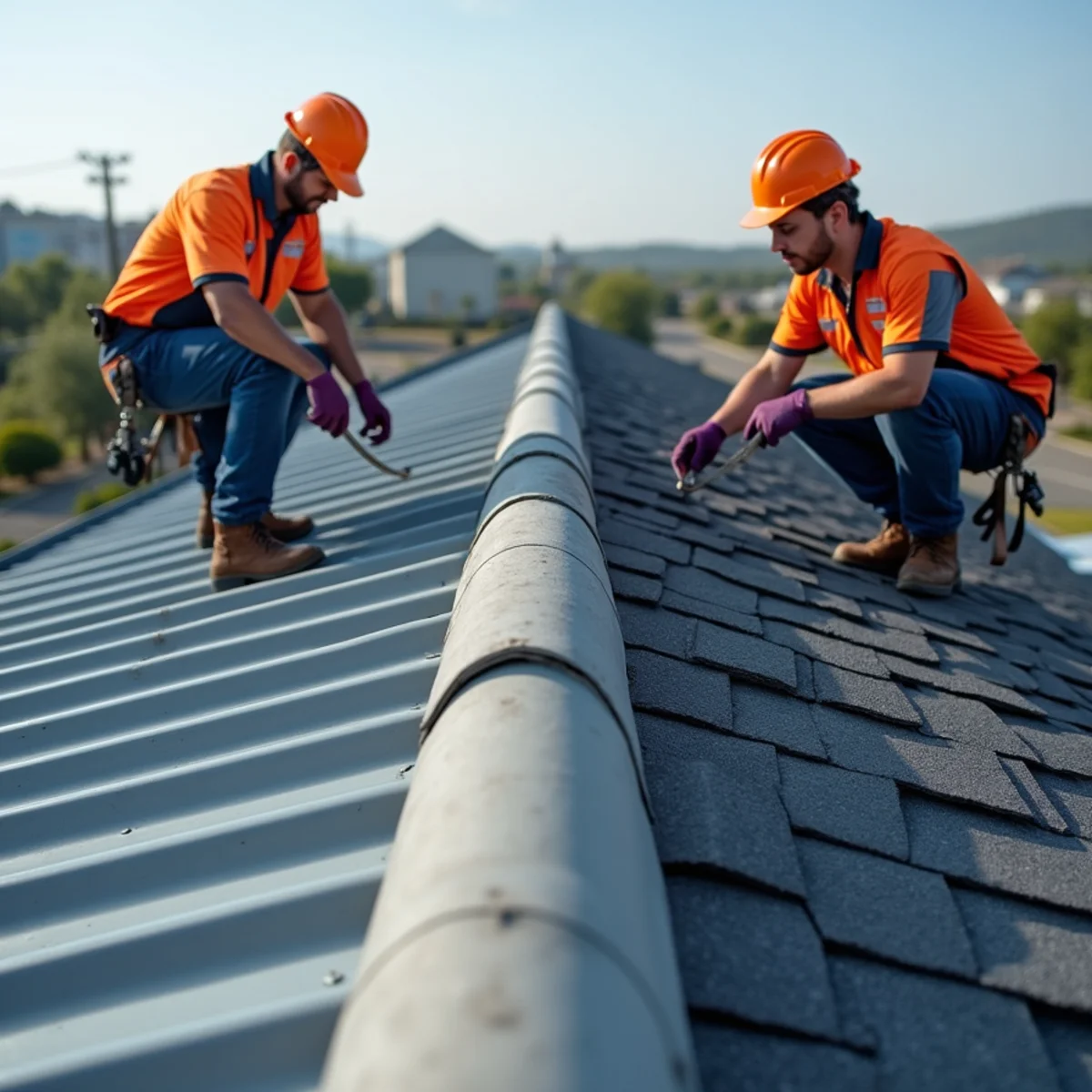
For Flagler County homes, architectural shingles offer the lowest upfront cost ($4.50–$6.50/sq.ft.) and 130 mph wind ratings. Standing seam metal provides the best hurricane resilience (160+ mph), salt-air immunity, and a 50+ year lifespan. Tile delivers timeless Mediterranean elegance and 40+ year durability but requires heavier structural truss support.
Key Takeaways for Florida Property Owners
- 1Architectural shingles provide 18–25 years of service at the lowest initial installation cost.
- 2Standing seam metal completely eliminates exposed fasteners and provides superior Category 5 wind survival.
- 3Concrete and clay tile roofs require heavier roof framing (900–1,200 lbs per square) and specialized high-temp underlayment.
- 4Metal roofs reflect solar radiation, lowering summer attic temperatures and air conditioning costs.
- 5Coastal barrier-island homes along A1A in Flagler Beach benefit most from aluminum or Galvalume metal systems.
Evaluating Florida's Three Major Roofing Systems
Architectural Shingles: The most budget-friendly option ($4.50–$10/sq.ft.), offering 130 mph wind ratings and 20-25 year practical lifespans. Ideal for inland subdivisions. Standing Seam Metal: The gold standard for coastal durability ($6.50–$13/sq.ft.), offering 160+ mph wind ratings, non-combustible Class A fire ratings, and 50+ year lifespans. Concrete & Clay Tile: The ultimate Mediterranean aesthetic ($12.50–$27.50/sq.ft.), offering exceptional thermal insulation and 50+ year tile lifespans with underlayment maintenance.
Location Matters: Inland vs. Barrier Island
Inland homes in Bunnell and western Flagler County do exceptionally well with high-grade architectural shingles. However, homes along A1A in Flagler Beach or Beverly Beach should strongly consider marine-grade aluminum metal to eliminate salt corrosion.
Energy Efficiency: The Solar Reflectance Index (SRI) Comparison
Florida's sun beats down relentlessly for eight months of the year. Modern Kynar 500 pre-painted metal roofs achieve Solar Reflectance Index (SRI) ratings over 70, reflecting radiant energy back into the atmosphere and keeping attic cavities up to 30 degrees cooler than dark asphalt shingles.
Common Mistakes Florida Property Owners Make & Professional Guidance
In our 25+ years inspecting and installing roofs across Flagler, Volusia, and St. Johns counties, we regularly witness costly errors that void warranties or lead to denied insurance claims. First, homeowners often rely on unlicensed handymen or out-of-state storm chasers who fail to pull mandatory municipal building permits or neglect Notice of Commencement (NOC) filings. Second, many attempt DIY repairs using silicone caulking or black roof tar, which traps moisture beneath shingles and accelerates decking rot. Third, property owners frequently delay filing storm claims past Florida statutory deadlines or accept lowball initial adjuster estimates without obtaining an itemized contractor quote. Always partner with a verified, Florida state-certified roofing contractor (CCC) who provides written warranties, pulls local permits, and verifies Florida Product Approval compliance on every material.
| Roof Type | Installed Cost per Sq | Lifespan in FL | Wind Rating | Salt Air Resistance | Weight |
|---|---|---|---|---|---|
| Architectural Shingles | $450 – $650 | 18 – 25 Years | 130 MPH | Moderate (Algae risk) | Light (240 lbs/sq) |
| Standing Seam Metal | $900 – $1,400 | 50+ Years | 160+ MPH | Exceptional (Aluminum/Kynar) | Light (150 lbs/sq) |
| Concrete Tile | $1,300 – $1,900 | 40 – 50 Years | 150 MPH | High (Corrosion-free) | Heavy (950 lbs/sq) |
| Spanish Clay Tile | $1,600 – $2,500 | 50+ Years | 150 MPH | Exceptional | Heavy (800–1,100 lbs/sq) |
“If you plan on staying in your Flagler County home for more than 10 years, standing seam metal is almost always the smarter long-term investment. You avoid the cycle of re-roofing every 15 years to appease insurance companies, and your energy bills will be noticeably lower from day one.”
— Chris Howard, Operations Director — Repel Dry LLC
5 Immediate Steps for Florida Property Owners
Whether you are preparing for hurricane season or responding to suspected storm or wind damage, follow this contractor-verified checklist to protect your home and legal rights:
Photograph all four exterior elevations, gutters, fallen tree branches, displaced shingles, and interior ceiling water spots before any cleanup or emergency tarping begins.
Florida insurance policies require homeowners to take reasonable steps to prevent further damage. Install secured tarps over penetrations without nailing directly through good shingles.
Review your insurance declarations page. Hurricane deductibles are typically 2% to 5% of your home's insured dwelling limit (Coverage A), whereas regular wind/water deductibles are often lower fixed amounts.
Never sign an Assignment of Benefits (prohibited under Senate Bill 2A) or work with canvassers who lack an active Florida Certified Roofing Contractor license (verify on MyFloridaLicense.com).
Schedule an on-site physical walk with a local state-certified builder who can inspect roof decking, underlayment adhesion, valley flashings, and attic moisture patterns.
Key Florida Roofing & Insurance Statutes Every Property Owner Must Know
Florida construction and insurance regulations underwent major reforms in 2022 and 2023. Here are the core statutory requirements that govern residential and commercial roof repairs in our state:
Establishes a strict 1-year deadline from the date of a windstorm or hurricane event to give initial written notice of a property damage claim to your insurance carrier. Supplemental claims must be filed within 18 months.
If more than 25% of a roof section is damaged within a 12-month period, the entire roof section must be upgraded to comply with the current Florida Building Code, unless the existing roof was installed under the 2007 FBC or later.
Eliminated post-loss Assignment of Benefits (AOB) for residential property insurance. Homeowners remain the direct policyholders and must be issued insurance claim payments directly by their insurer.
Unlicensed contracting during a declared state of emergency is a third-degree felony in Florida. Always insist on seeing an active DBPR Certified Roofing Contractor license (CCC license) before any roof work begins.
Verified Under Florida Building Code 8th Edition (2023)
This technical guide is authored and reviewed by licensed Florida roofing and building contractors Tim Farrell and Chris Howard of Repel Dry LLC (FL Lic # CCC1332106, CBC1264358, CRC1332435). All structural recommendations comply with the Florida Building Code 8th Edition (2023), ASTM D1970 secondary water barrier requirements, and Florida Statutes governing property insurance disclosures (F.S. § 627.70132 and F.S. § 626.9744).
Summary & Next Steps for Your Roof
Navigating Florida roofing decisions requires factual guidance, strict adherence to Florida Building Code 8th Edition (2023), and an experienced local team you can hold accountable. Repel Dry LLC is headquartered at 2323 N State St in Bunnell and provides free on-site inspections throughout Flagler, Volusia, and St. Johns counties.
Related Professional Services & Areas
Need assistance with issues discussed in this guide? Explore our specialized solutions:
Related Services:
Related Local Areas: